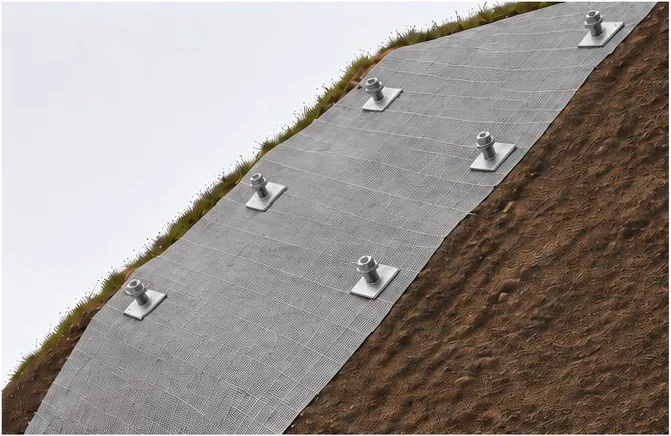
Slope Stabilization in Quebec City
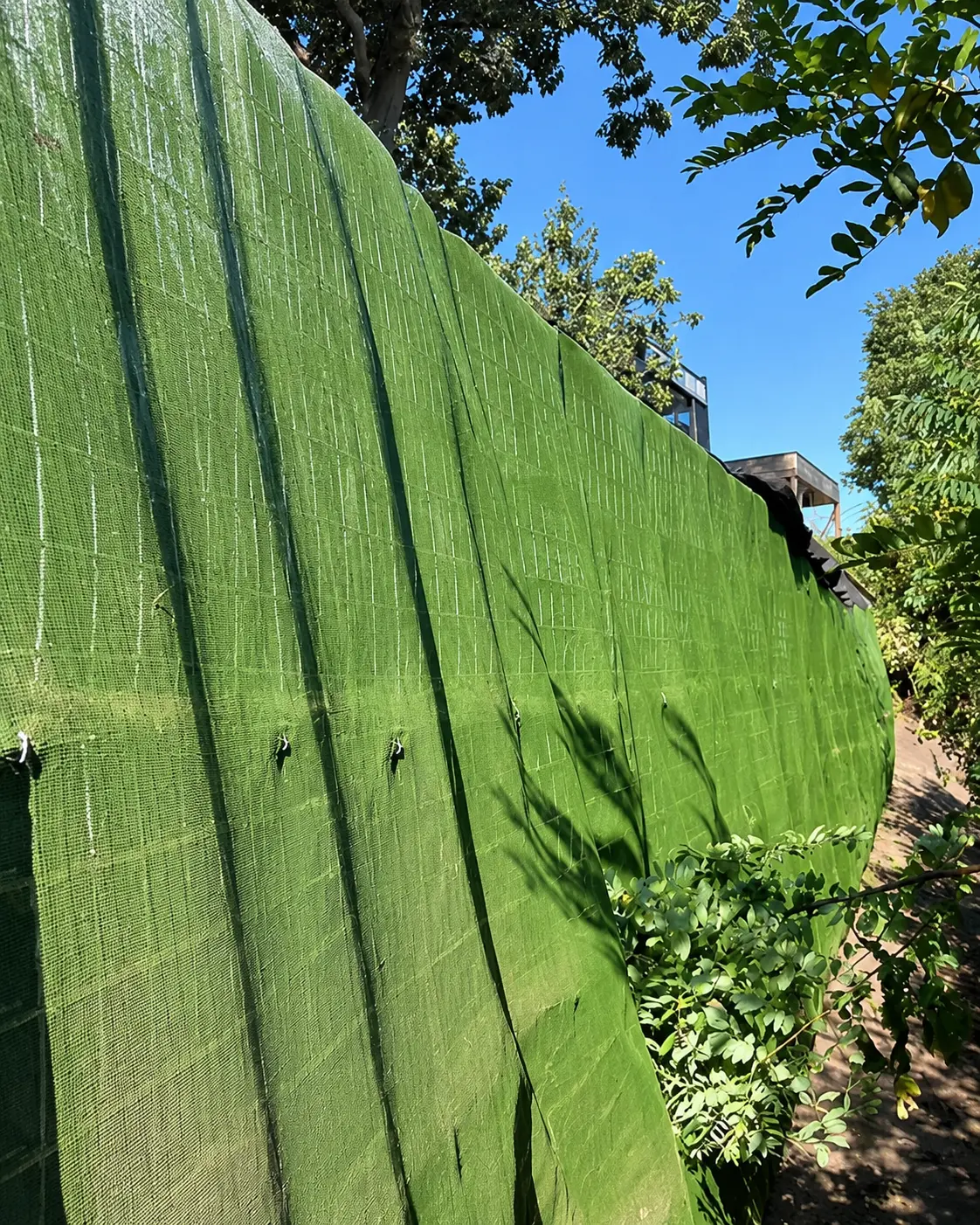
JPC APAJA construction inc. carries out slope stabilization in Quebec City: studies, design and implementation of effective solutions to keep sloping ground stable and prevent landslides.
A slope that is eroding, cracking or deforming puts at risk the structures, roads and buildings located above it or at its toe. The earlier the problem is addressed, the simpler and more cost-effective the solution.
Every project begins with a careful reading of the site: soil type, slope angle, presence of water and site constraints. The selected solution is then designed to last, documented at every step and carried out in compliance with environmental requirements.
When does a slope need to be stabilized?
Certain signs show that a slope is moving and that work is becoming necessary. It is best to have them assessed before the movement speeds up.
Visible erosion
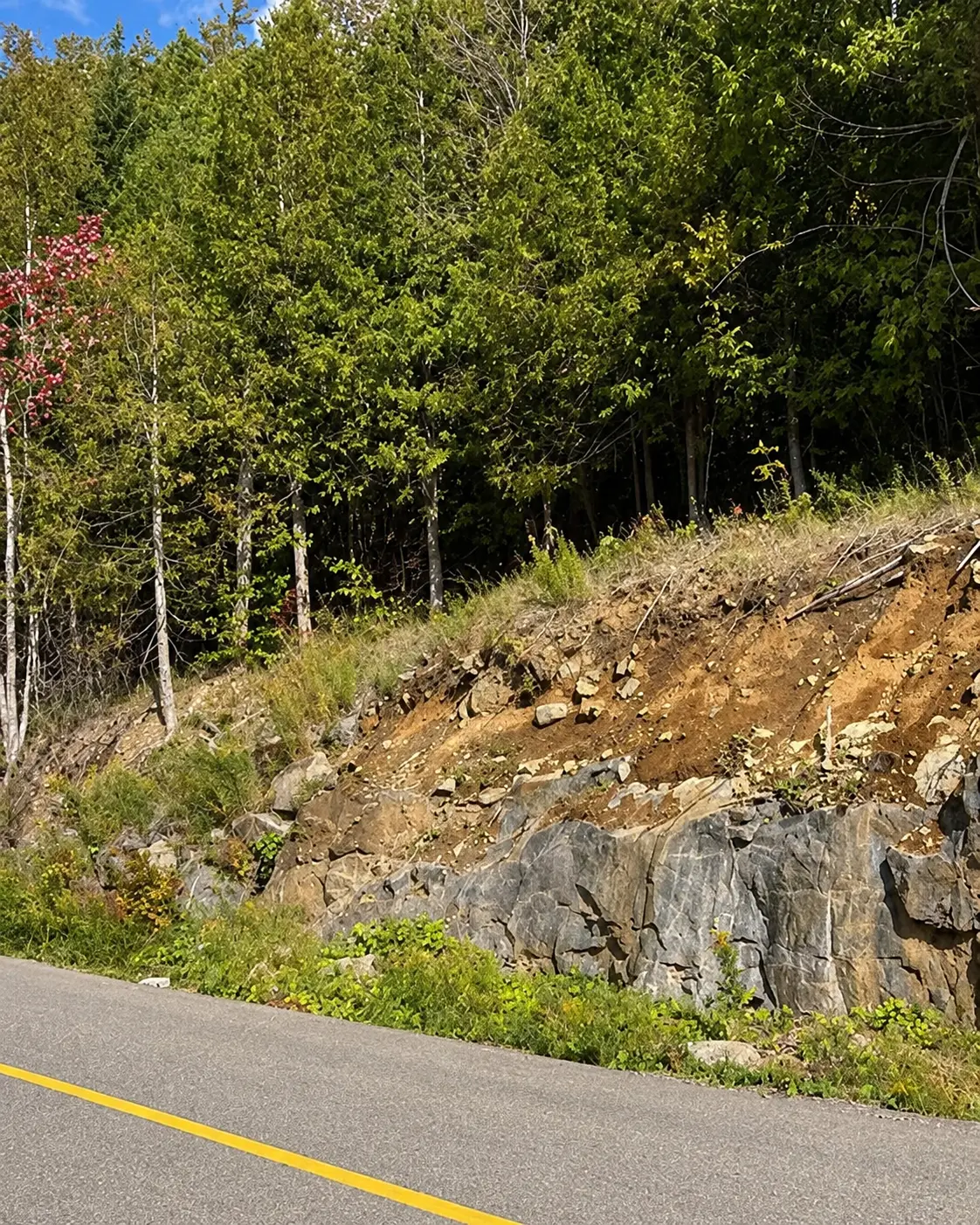
Gullying, bare soil, and material sliding to the toe of the slope after rainfall or snowmelt.
Cracks and settlement
Cracks parallel to the crest of the slope, bulging at the toe, or a sagging fence, sidewalk or roadway.
Presence of water
Seepage, waterlogged areas or concentrated runoff that saturate the soil and reduce its strength.
Nearby construction
Excavation, fill or construction near a slope that alters its balance and calls for a temporary or permanent solution.
Our slope stabilization solutions
There is no one-size-fits-all solution: the choice depends on the height of the slope, the soils in place, water and how the land is used. Techniques can also be combined.
Erosion protection
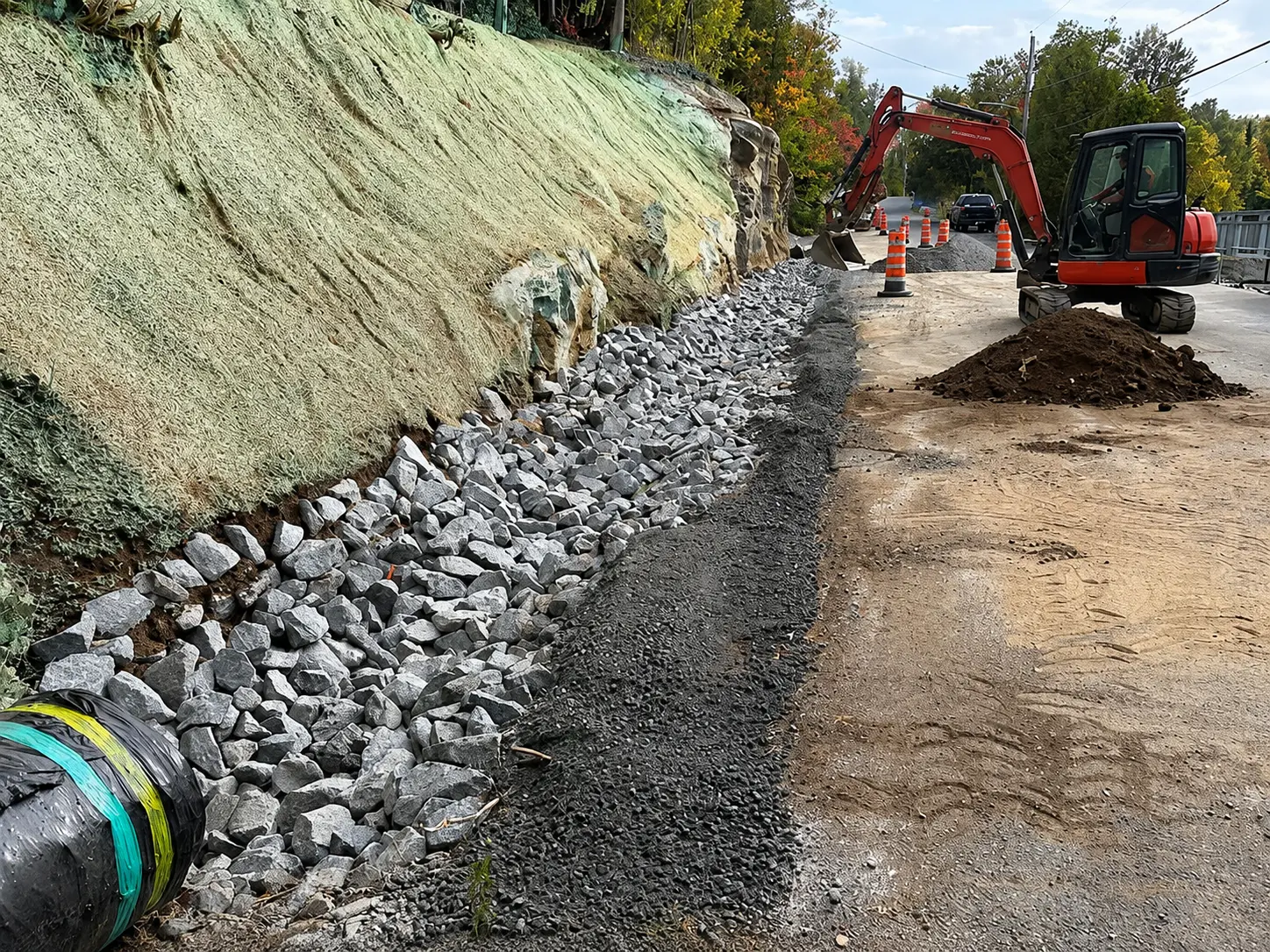
Installation of geotextiles and erosion control mats, followed by revegetation to protect the slope surface from runoff and promote root growth.
APAJA ground anchor
The APAJA toggle anchor system holds the geotextile and the slope surface in place with bearing plates, without steel cable. It is suited to slopes, walls and surface protection.
See the anchor systemRiprap and toe walls
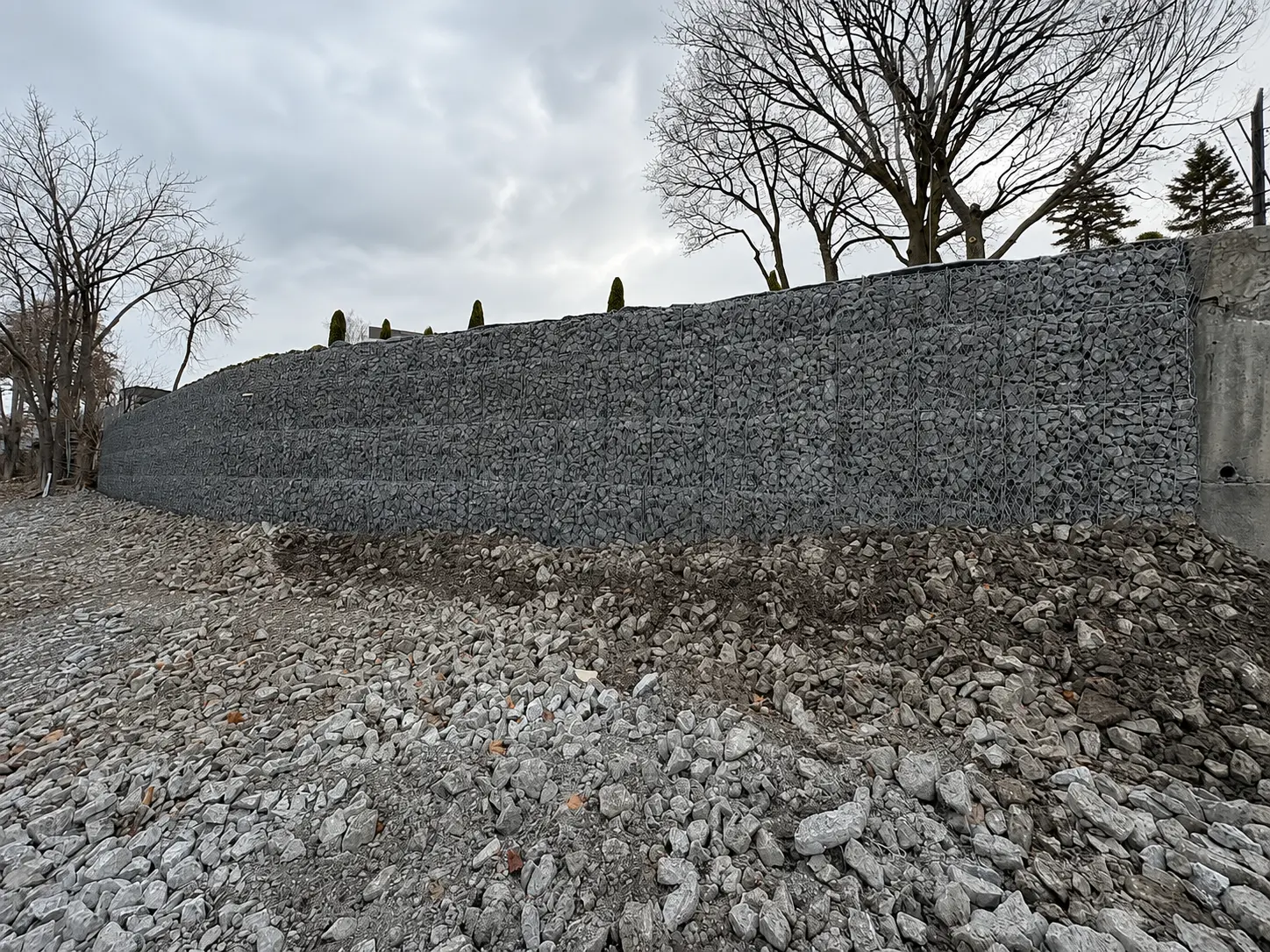
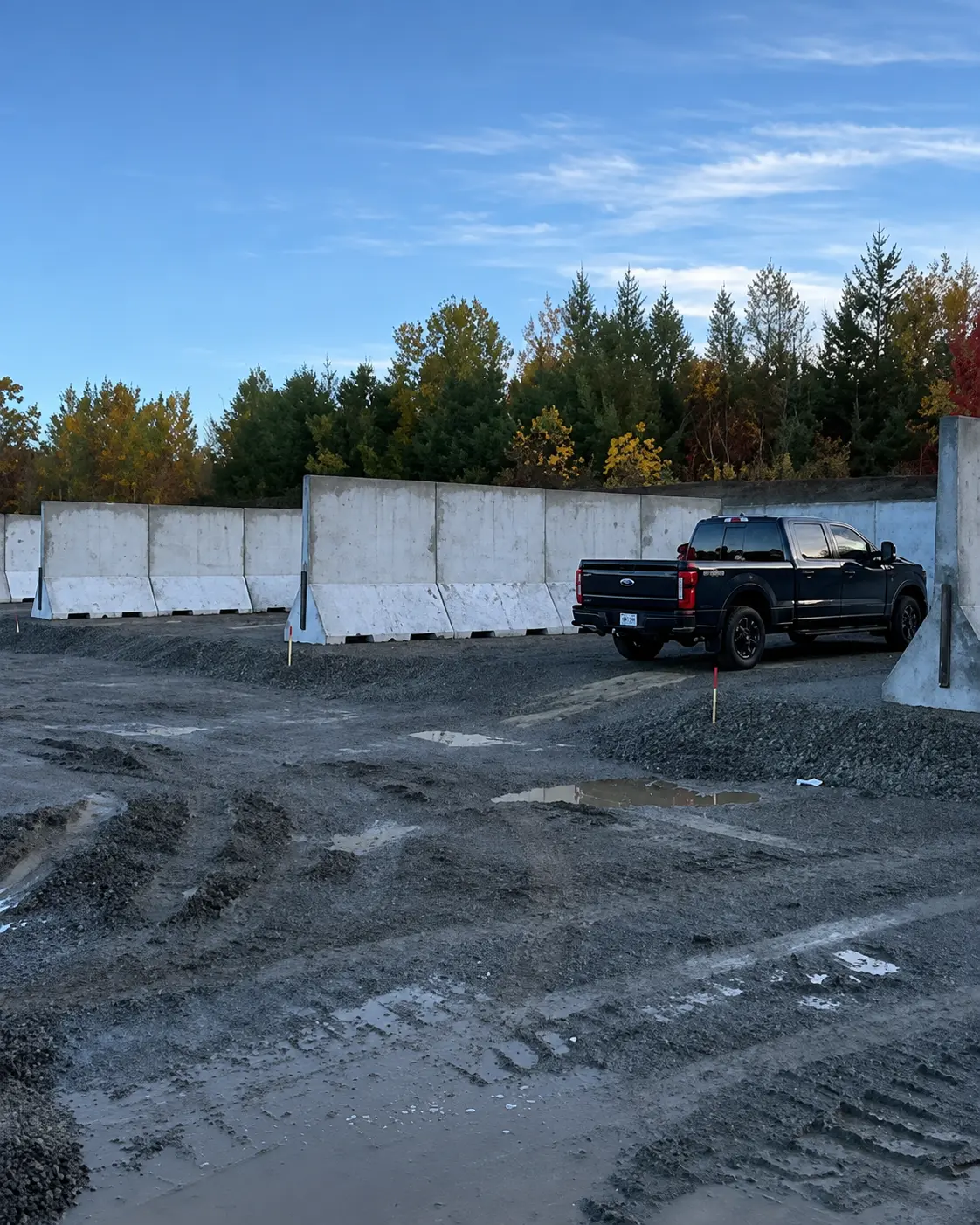
Riprap, gabion walls or concrete blocks at the toe of the slope to retain material and restore support to the slope.
Water management
Ditches, drains and outlets that divert water away from the slope: often the leading cause of instability, and the first thing to correct.
How a slope stabilization project unfolds
- 01
Site analysis
Site visit, survey of the slope and signs of instability, review of soils and water.
- 02
Design
Selection of the most durable technical solution for your site, supported by clear, traceable documents.
- 03
Construction
Work carried out according to the agreed documents and requirements, with a constant focus on safety.
- 04
Follow-up
A single point of contact and regular progress reports until the project is complete.
Good to know about slope stability
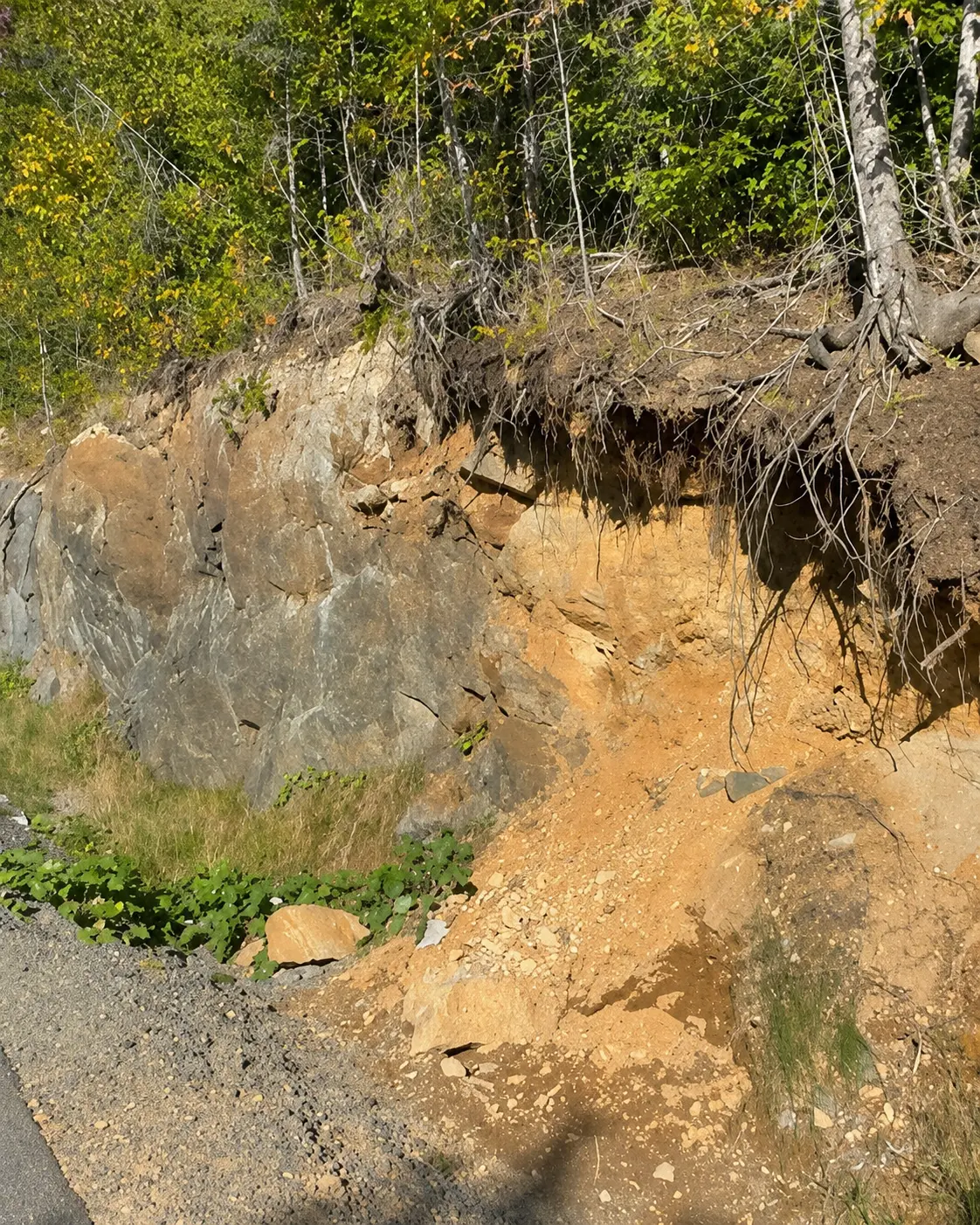
The stability of a slope depends mainly on three factors: the type of soil, the slope angle and the presence of water. Saturated soil loses part of its strength, which explains why problems often appear in spring, during snowmelt, or after heavy rainfall.
In Quebec, freeze-thaw cycles also weaken the surface of slopes: the soil swells as it freezes and then loosens as it thaws, which promotes surface erosion. A well-established vegetation cover, backed when needed by a geotextile and ground anchors, limits this effect.
Finally, a slope that is stable today can become unstable after nearby work: fill added at the crest, an excavation at the toe or a new stormwater discharge all change the balance of the slope. It is best to take this into account from the project planning stage.
Why work with JPC APAJA construction
Thorough documentation
Clear, traceable documents at every step, so you know exactly what is planned and what has been done.
Durable installations
Solutions built to last, adapted to site constraints and climate, and compliant with standards.
A single point of contact
Direct follow-up, with no middleman, from the first call to the end of the work.
Ongoing communication
Regular updates and constant availability throughout the project.
Civil engineering contractor based in Quebec City · RBQ licence 5855-6010-01
Frequently asked questions
Cracks near the crest, settlement, visible erosion or water seeping from the slope are signs that should be assessed. A site visit makes it possible to gauge the risk and propose the right solution.
Erosion protection treats the surface of the slope (geotextile, vegetation). Stabilization addresses the balance of the slope itself, for example with ground anchors, riprap or a toe wall. The two are often combined.
It is a toggle anchor system: the anchor head is driven into the ground and then tensioned, which makes it rotate and lock in place. A bearing plate holds the geotextile at the surface, without steel cable.
Yes. Some solutions are used to secure a slope during construction (excavation, building), while others are permanent. The choice depends on the intended duration and use.
Yes, protecting riverbanks and ditches is one of the most common applications. The work is carried out in compliance with the environmental requirements that apply to the site.
Have a slope to stabilize?
Tell us about your site: we will get back to you to agree on the next steps.