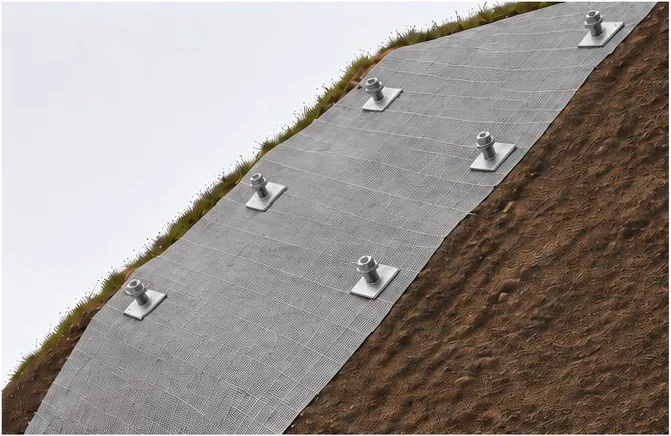
Gabion Wall in Quebec City: Retaining and Landscaping
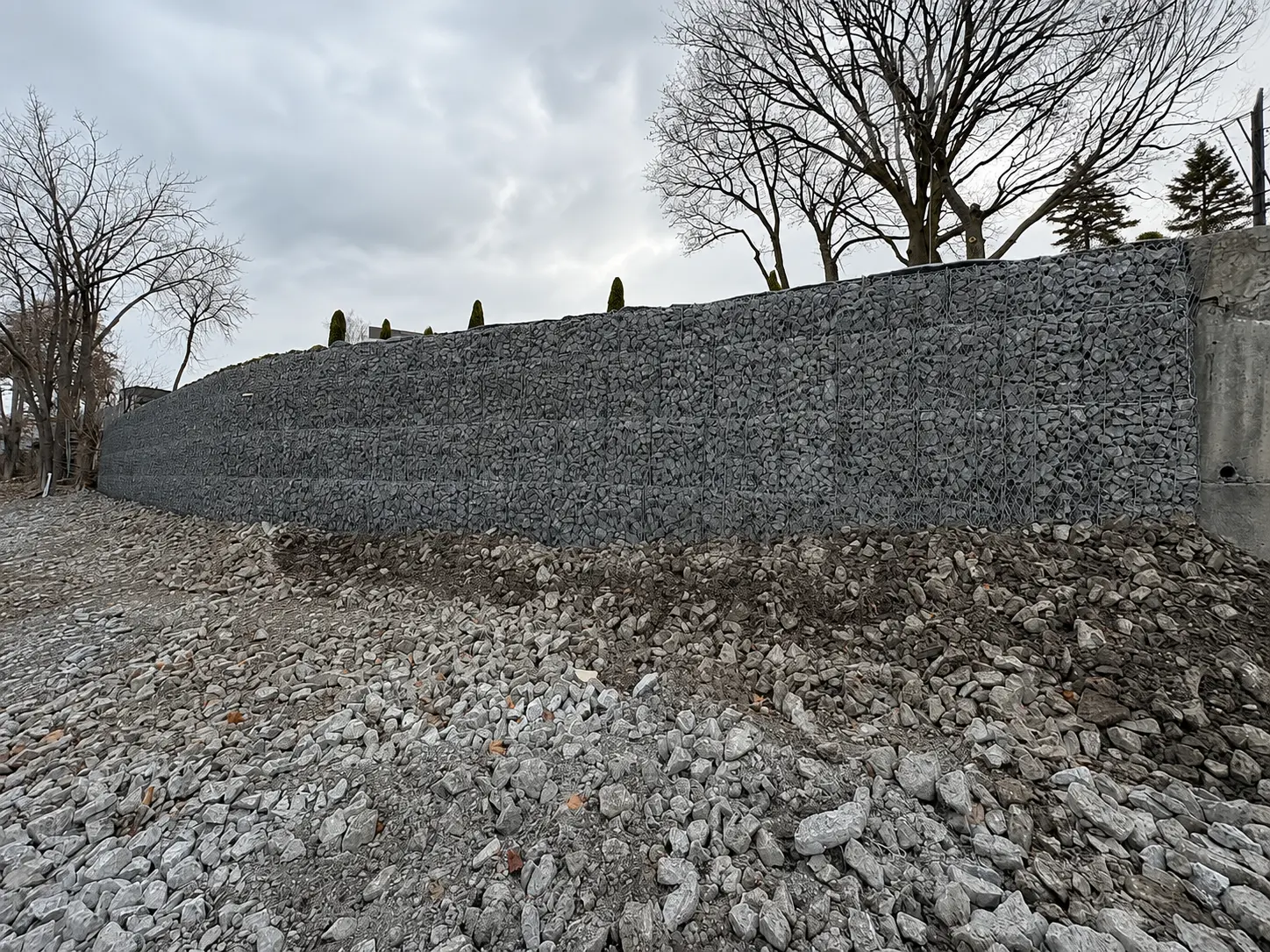
JPC APAJA construction inc. builds and installs the gabion wall in Quebec City: woven or welded gabion walls that offer strength, natural drainage and an attractive fit with their surroundings.
A gabion is a wire mesh basket filled with stone. Stacked and tied together, gabion baskets form a massive wall that retains the soil through its own weight while letting water drain through the stones.
This permeability is a major advantage: water does not build up behind the wall, which limits pressure on the structure. A gabion wall is just as suitable for retaining soil as for protecting a riverbank or creating durable landscaping.
Why choose a gabion wall?
Gabions stand out from other types of walls for their flexibility, drainage and natural appearance.
Natural drainage
The voids between the stones let water through: less pressure behind the wall and fewer risks related to freeze-thaw cycles.
Flexible structure
The mesh tolerates minor soil settlement without cracking, where a rigid wall could break.
Blends into the landscape
The visible stone blends into the natural setting, and vegetation can gradually take over the structure.
Versatility
Soil retention, riverbank and ditch protection, decorative or landscaping walls: one technique for many uses.
Our gabion wall projects
Each wall is sized according to the height to be retained, the type of soil and how the land is used.
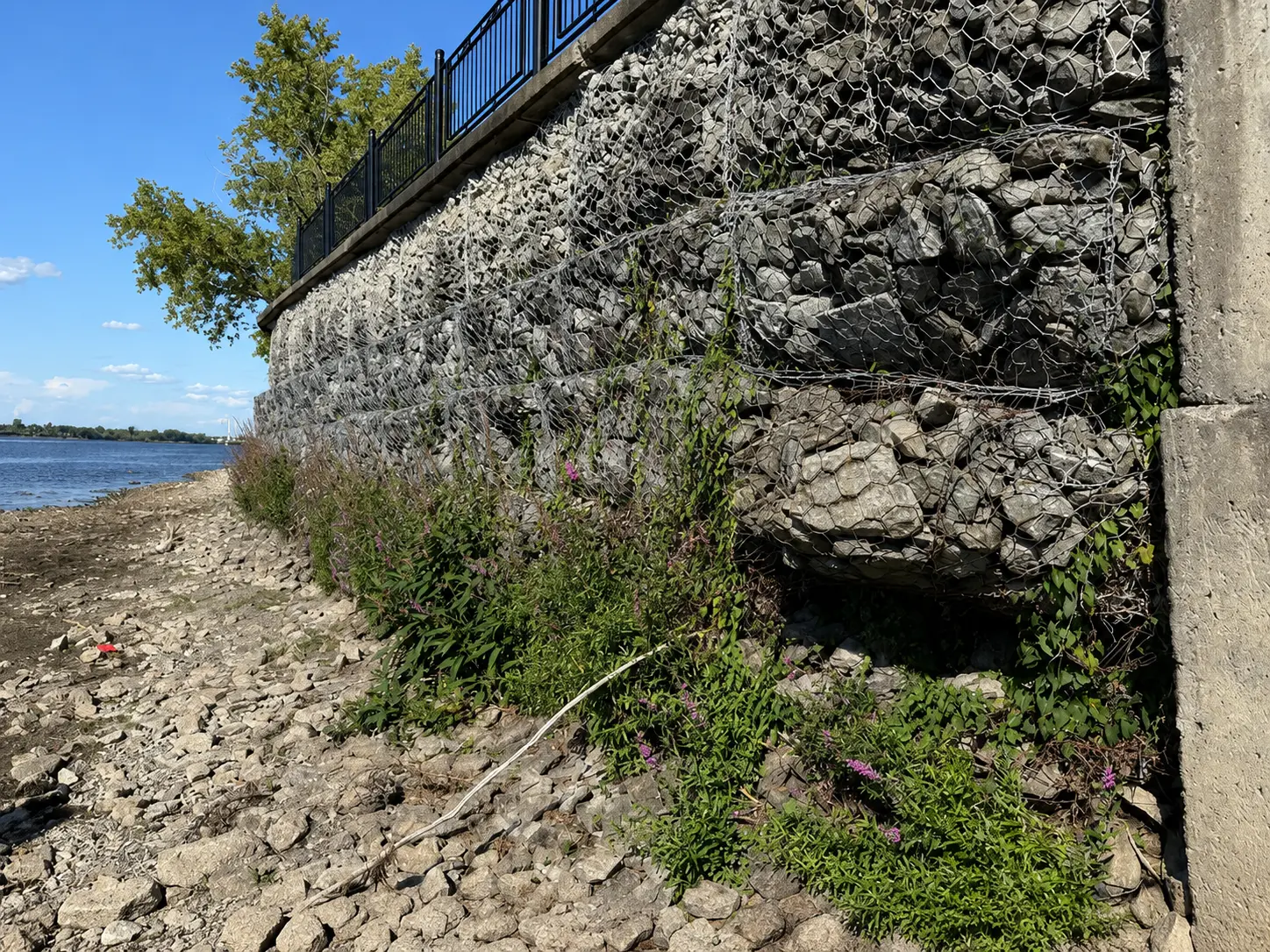
Gabion retaining wall
To retain fill or a slope, create a terrace or expand the usable area on sloping land.
Riverbank and ditch protection
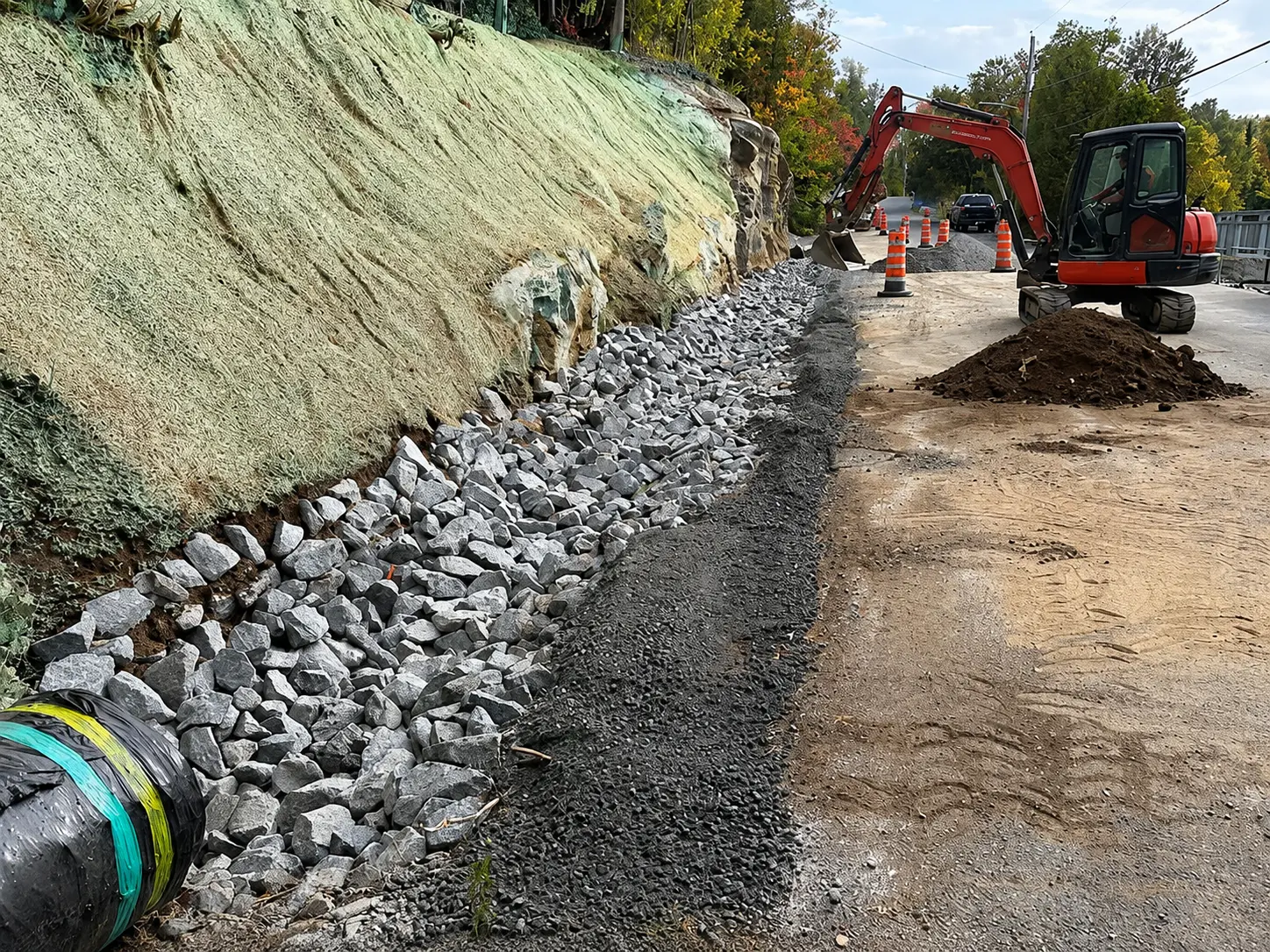
Gabions withstand flowing water and protect shorelines and ditches against scour and erosion.
Woven or welded gabions
Woven gabions follow shapes and settlement more closely; welded gabions, which are more rigid, give perfectly straight faces. The choice depends on the structure.
Decorative and landscaping walls
Low walls, borders and landscaping features in gabions that combine strength with the natural look of stone.
The steps to building a gabion wall
- 01
Site analysis
Survey of the height to be retained, soils, water and site access.
- 02
Design
Sizing of the wall, selection of the gabion type and stone, preparation of the base.
- 03
Construction
Foundation preparation, basket assembly, stone filling and closing of the gabions.
- 04
Follow-up
Inspection of the structure and regular progress reports until the project is complete.
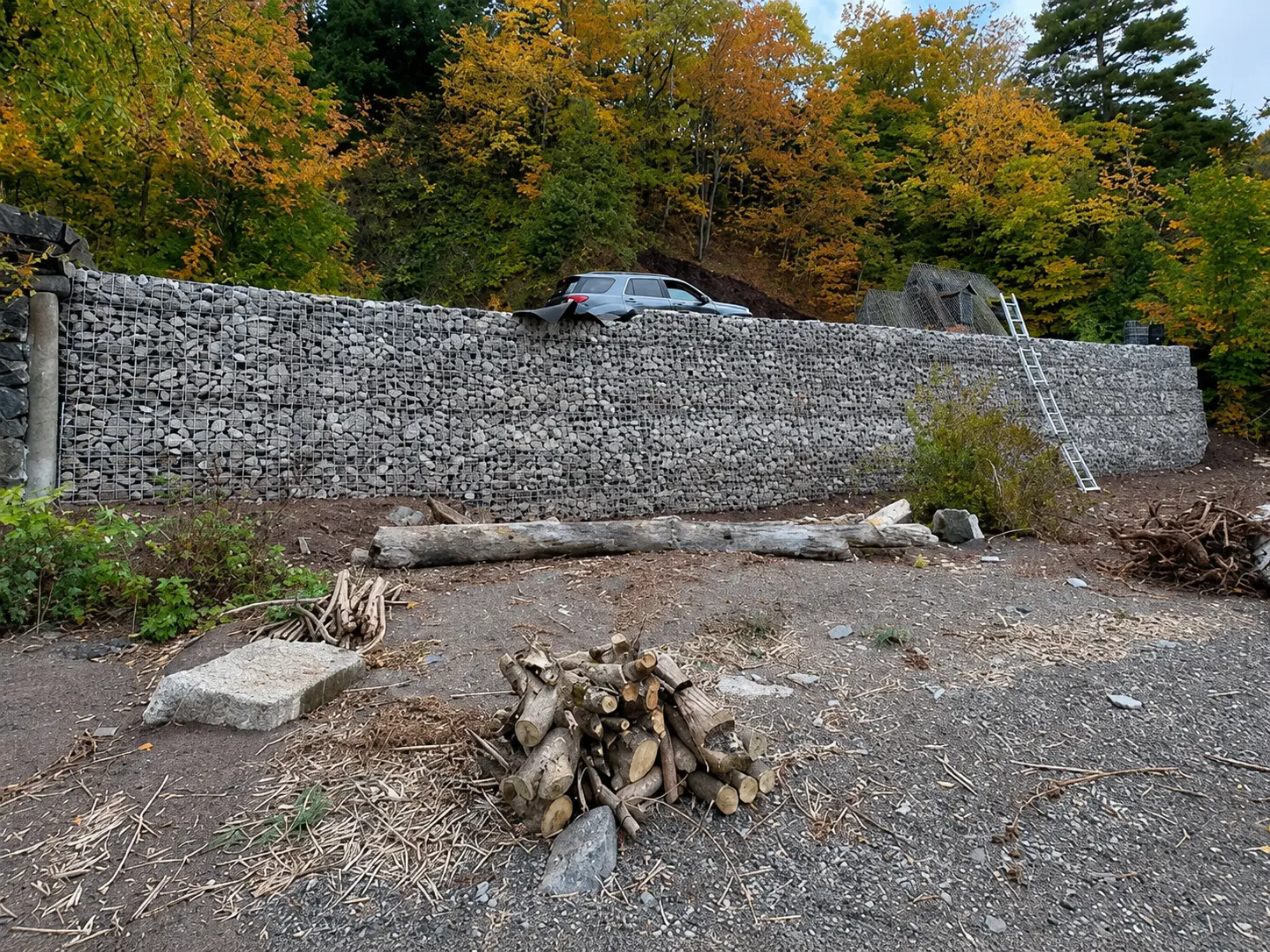
Good to know about gabion walls
The quality of a gabion wall depends as much on its preparation as on its stones. A well-levelled, compacted base, a geotextile behind the wall to keep fine soil from migrating between the stones, and properly sized stones, larger than the basket's mesh openings, ensure the structure's durability.
Filling is done in layers, with internal ties inside the baskets to keep the faces from bulging. Adjacent gabions are tied together so the wall works as a single block.
Because the wall lets water through, it is well suited to Quebec's climate: water does not get trapped behind the structure, which reduces frost-related pressure. Over time, vegetation can take root in the gaps and blend the wall even further into its surroundings.
Why work with JPC APAJA construction
Thorough documentation
Clear, traceable documents at every step, so you know exactly what is planned and what has been done.
Durable installations
Solutions built to last, adapted to site constraints and climate, and compliant with standards.
A single point of contact
Direct follow-up, with no middleman, from the first call to the end of the work.
Ongoing communication
Regular updates and constant availability throughout the project.
Civil engineering contractor based in Quebec City · RBQ licence 5855-6010-01
Frequently asked questions
It is a wall made of wire mesh baskets filled with stone. The gabions are stacked and tied together to form a massive structure that retains the soil through its weight.
A woven gabion is made of double-twisted wire mesh, which is more flexible and adapts to settlement. A welded gabion uses welded wire mesh panels, which are more rigid and give perfectly straight faces and a more architectural look.
Yes. Its permeability and resistance to flowing water make it a common solution for protecting riverbanks and ditches against erosion.
Very little. An occasional visual inspection is enough to check the condition of the mesh and fasteners, especially after floods or harsh winters.
Yes. A gabion can serve as a toe wall for a stabilized slope, or be combined with a drainage system to manage water on the site.
Planning a gabion wall project?
Tell us about your site and the height to be retained: we will get back to you quickly.