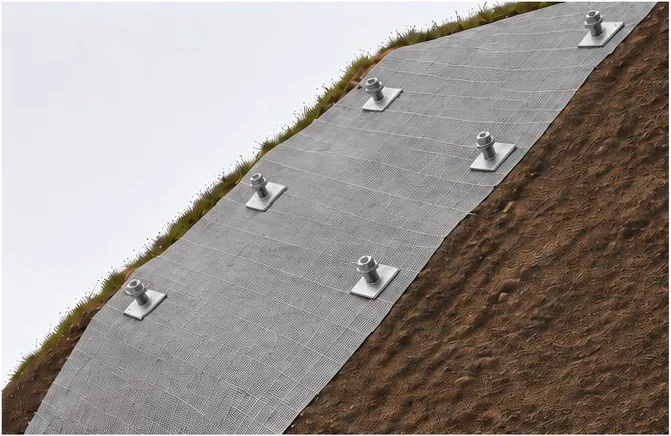
Drainage System, Land Drainage and Culvert Installation in Quebec City
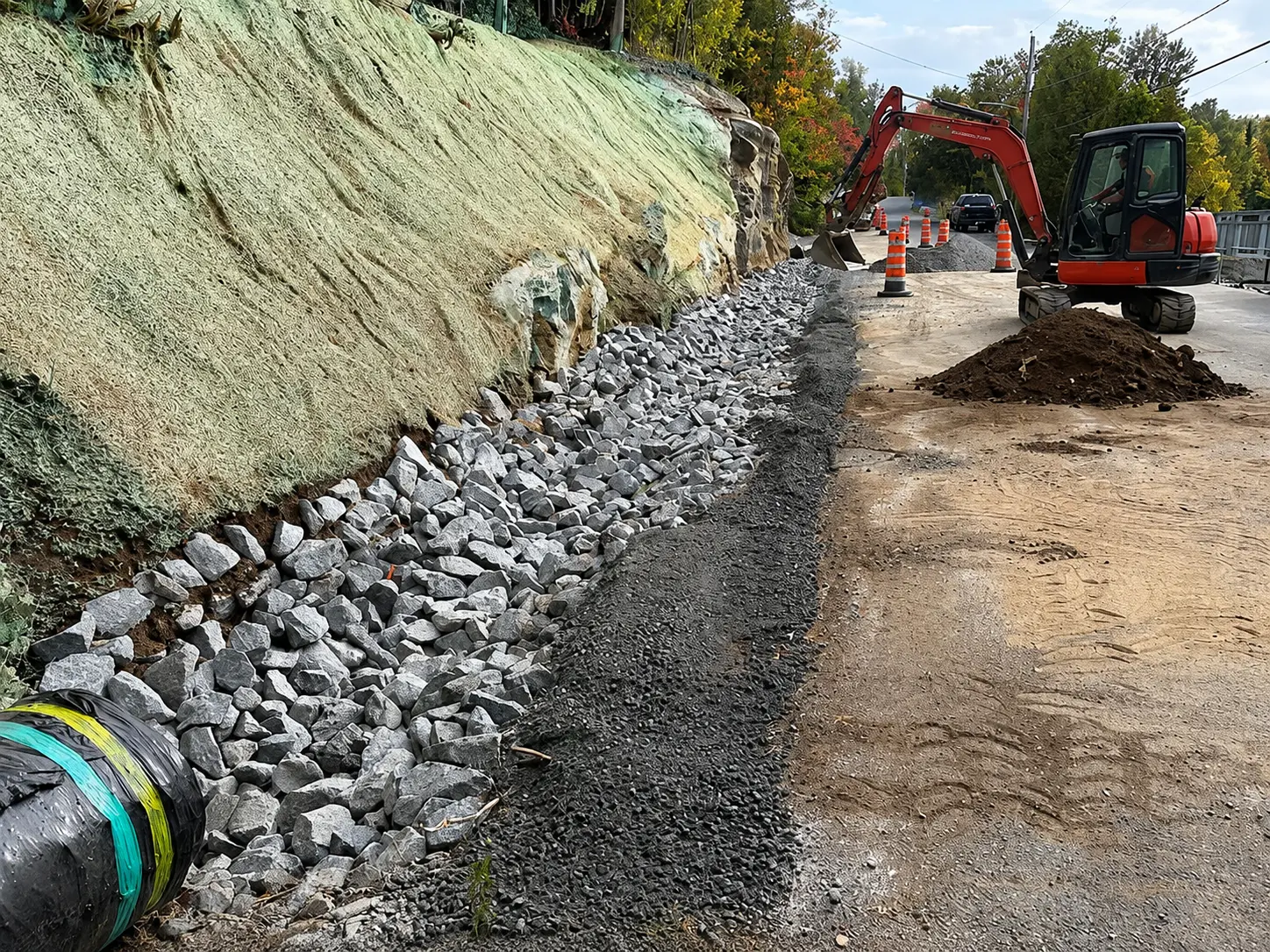
JPC APAJA construction inc. delivers the drainage system, land drainage and culvert installation in Quebec City: work that ensures long-term hydraulic performance, infrastructure safety and compliance with environmental requirements.
Poorly directed water is one of the main causes of damage to land: erosion, settlement, and water pooling at the toe of slopes or under roadways. Good land drainage captures water, conveys it and discharges it in the right place.
Ditches, riprap, drains and culverts are designed together so that water flows without damaging structures, both in everyday conditions and during heavy rainfall and snowmelt.
When should a property's drainage be reviewed?
These situations often indicate that water is not being properly managed on a property or along a road.
Standing water
Persistent puddles, waterlogged soil or areas where water collects after every rainfall.
Ditch erosion
Ditches that keep deepening, ditch banks that collapse or material washed away by the current.
Undersized or damaged culvert
A culvert that is blocked, crushed or too small, and overflows during heavy rainfall or snowmelt.
New site development
Construction, paving or fill that alters the natural flow of water across the property.
Our drainage and culvert solutions
The drainage system is designed according to the amount of water to be managed, the slope of the land and the available outlet.
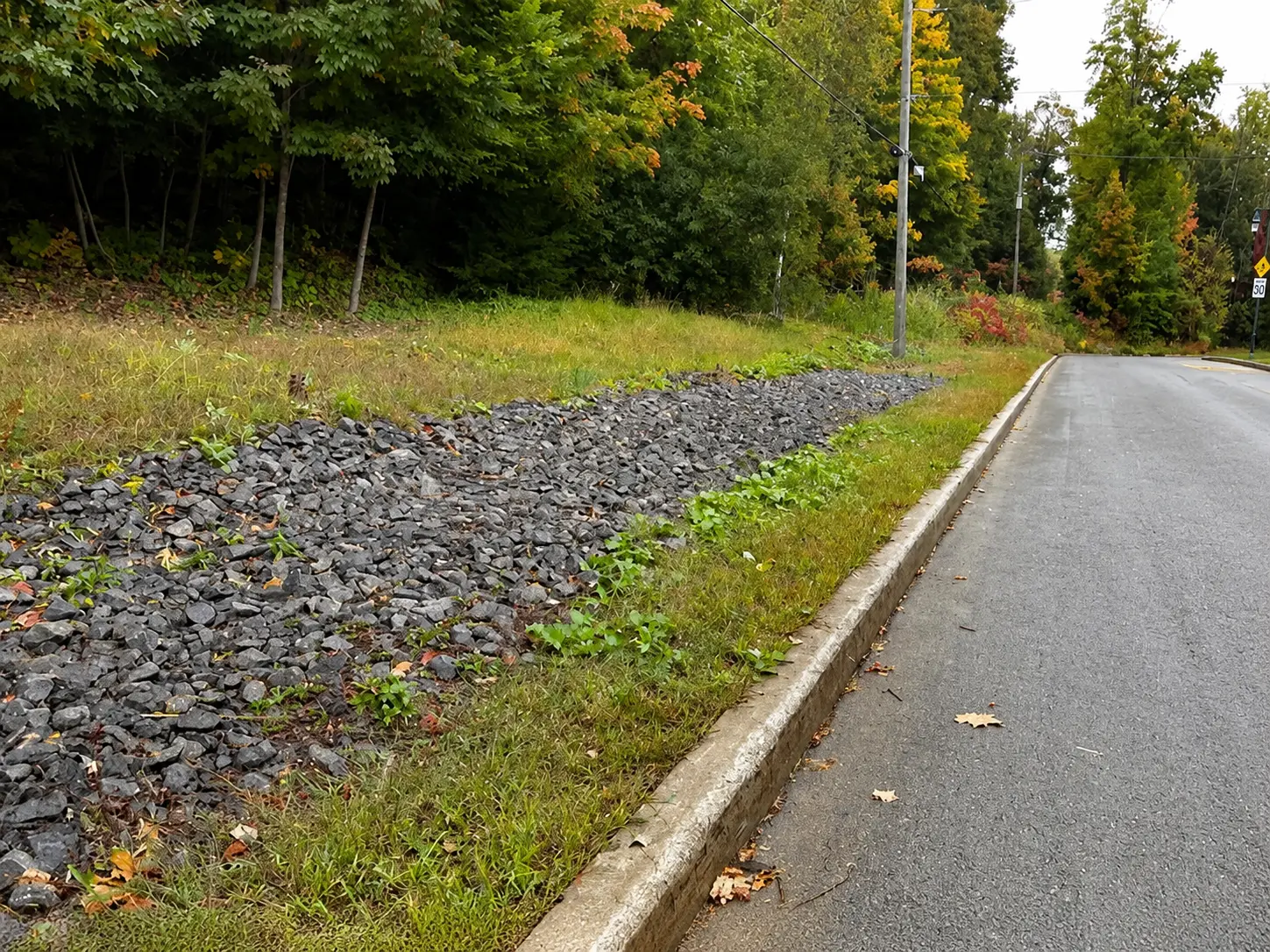
Culvert installation
Installation or replacement of culverts under a road or driveway, with suitable bedding and backfill to ensure their durability.
Riprap-lined ditches and channels
Excavation and shaping of ditches, protected with riprap to resist erosion caused by flowing water.
Land drainage
Collection and removal of surface water and groundwater to dry out a property and protect structures.
Flow management
Works that slow water down and direct it to an outlet, in compliance with environmental requirements.
How a drainage project unfolds
- 01
Site analysis
Observation of water flows, slopes, low points and the available outlet.
- 02
Design
Selection of structures (ditches, drains, culverts, riprap) and their sizing based on the water to be managed.
- 03
Construction
Excavation, installation of pipes and culverts, riprap and site restoration.
- 04
Follow-up
Check that water flows properly and regular progress reports until the project is complete.
Good to know about drainage and culverts
A culvert must be sized according to the amount of water it will need to carry, including during heavy rainfall and snowmelt. An undersized culvert backs water up upstream, which can flood the property or wash out the road it crosses.
Installation matters as much as diameter: the culvert must rest on stable bedding, follow a consistent grade and be properly backfilled on both sides. The inlet and outlet are often protected with riprap to keep the current from scouring around the pipe.
For land drainage, the goal is to capture water before it causes damage, then convey it to an outlet that can receive it. Ditches, drains and basins are chosen according to the slope, the type of soil and the space available.
When the work affects a watercourse, a roadside ditch or a wetland, environmental requirements may apply. They are taken into account from the design stage of the drainage system.
Why work with JPC APAJA construction
Thorough documentation
Clear, traceable documents at every step, so you know exactly what is planned and what has been done.
Durable installations
Solutions built to last, adapted to site constraints and climate, and compliant with standards.
A single point of contact
Direct follow-up, with no middleman, from the first call to the end of the work.
Ongoing communication
Regular updates and constant availability throughout the project.
Civil engineering contractor based in Quebec City · RBQ licence 5855-6010-01
Frequently asked questions
It is the set of structures that capture water on a property, convey it and discharge it to an outlet: ditches, drains, culverts and riprap. It protects the land and infrastructure against erosion and water buildup.
When it is crushed, rusted, repeatedly blocked or too small for the water it must carry, which causes overflows during heavy rainfall or snowmelt.
Riprap protects the bottom and sides of the ditch against erosion caused by the speed of the water, especially on slopes.
Yes. Water is often the leading cause of slope instability. Diverting and removing water is part of most slope stabilization projects.
A water problem or a culvert to install?
Tell us about the situation on your property: we will get back to you to agree on the next steps.